Hearing that you need a big tooth repair can feel scary, but knowing what happens helps remove the worry. This common treatment is just a routine, pain-free way to stop a deep toothache and save your real smile.
If you are looking for root canal therapy in downtown Calgary, you will find that modern steps make the process as simple as getting a basic filling.
This easy guide will walk you through exactly how the treatment works from start to finish.
What Are The Main Signs That You Need A Deep Tooth Fix?
- Deep Pain: A strong, throbbing ache that gets much worse when you chew food or press down on the tooth.
- Hot and Cold Hurts: A sharp pain from hot coffee or cold water that stays for a long time after you finish drinking.
- Puffy Gums: Red, swollen, or tender gum tissue near the sore spot, sometimes with a small bump.
- Dark Tooth: The tooth turns a dark gray or black color because the inner part is sick.
How Does The Team Get Your Tooth Ready For The Fix?
Before any work starts, the team takes digital pictures to see the exact shape of your roots.
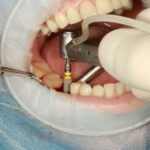
When you visit a skilled dentist in downtown Calgary, they will use a numbing spray and a tiny pinch so you do not feel a single thing. A small sheet of stretchy rubber is placed around the tooth to keep it dry and clean from spit during the visit.
This setup helps you stay totally relaxed and comfy while the team works on your smile.
What Are The Steps Involved In Root Canal Treatment?
- Making a Path: An opening is made in the top part of the tooth to reach the sick inner room.
- Cleaning out Germs: The team uses small, flexible tools to remove the dead nerve and soft tissue from inside the narrow tubes.
- Washing the Spaces: A special cleaning water is used to rinse away any leftover germs and dirt from the roots.
- Shaping the Paths: The empty tubes are smoothed down so they can be filled perfectly without leaving any open air pockets.
How Is The Empty Tooth Sealed And Protected?
Once the inside is completely clean, the empty root paths are filled with a rubbery, natural material. This material acts like a solid plug to keep new germs from crawling back into your jawbone.
Getting root canal therapy near you means a temporary filling is placed over the top opening to close the tooth while it heals over the next week.
This seal is very important because it blocks out food and water while you wait for your final strong cap.
How Root Canal Therapy Saves Infected Teeth
- No Pulling Needed: This deep cleaning is the only way to avoid pulling a tooth that has a bad infection.
- Keeping Bone Strong: Saving the real root keeps your jawbone active so it does not shrink away over time.
- Normal Chewing: Keeping your own tooth means you can bite your favorite foods without changing how your mouth moves.
- Long-Term Health: It keeps your other teeth from shifting out of place, which happens when you leave an empty gap in your smile.
Care Steps Comparison
| Step of Care | What Happens | Comfort Method | Time Needed |
| First Exam | Pictures and cold tests | Gentle touching | 15 minutes |
| Deep Cleaning | Removing sick parts and washing roots | Full local numbing | 45 to 60 minutes |
| Root Sealing | Filling paths with rubbery material | No numbing needed | 30 minutes |
| Final Cap | Placing a strong porcelain crown | Light numbing | 45 minutes |
What Should You Do During Your Recovery At Home?
- Avoid Hard Foods: Do not chew on ice or crunchy nuts until the final hard cap is glued into place.
- Soft Brushing: Clean the area very gently with a soft toothbrush to keep the healing gums free from food.
- Take Pain Relief: Use basic store-bought pills for a few days if your jaw feels a bit tender or bruised.
- Watch for Changes: Call the team if you notice any new bumps or if your pain gets worse after three days.
Why Is A Final Porcelain Crown Necessary
A tooth that has had its nerve taken out becomes quite dry and brittle over time.
To make sure that your new fix lasts, you will need to book a follow-up for root canal therapy in downtown Calgary to get a permanent crown. This hard cap fits over the remaining tooth like a safety helmet, absorbing the pressure of heavy chewing.
Once this piece is bonded in place, your tooth is just as strong as a normal one and can stay healthy for a lifetime.
Finding Trustworthy Emergency Help Close To Home
When a sudden toothache strikes in the middle of the night, you do not want to wait weeks for a visit.
Finding a trusted dental clinic near you makes sure that you can get same-day relief when an emergency happens. A local team can quickly drain the infection, stop the throbbing pain, and save your tooth before the damage spreads.
Staying close to home makes it simple to get your smile fixed without any added stress.
Keeping Your Natural Smile Strong
Taking care of an infected tooth quickly is the best way to live free from pain and keep your smile beautiful.
At Method Dental, we use gentle steps and advanced tools to make your treatment smooth, fast, and completely stress-free. Our team is always here to answer your questions and give you the kind care you deserve.
You should be able to smile, eat, and talk without any constant aching or discomfort. Call us right now to book your visit, reach out today and let us help you get started!
Frequently Asked Questions
Is a root canal procedure painful?
No, the treatment feels just like getting a normal filling because the area is completely numbed before the work starts. Most people feel a huge wave of relief afterward because the cleanout finally stops the throbbing toothache pain.
How long does the whole visit take?
The cleaning and sealing steps usually take between one and two hours, depending on how many roots the tooth has. Front teeth have only one root and are very fast, while back molars can have up to four channels to clean.
Can I go right back to work after my visit?
Yes, you can return to your normal routine right away, but your lips and tongue will feel numb for a few hours. It is best to avoid hot drinks or eating until the numbing wears off so you do not accidentally bite your cheek.
How long will the repaired tooth last?
With a strong porcelain crown and daily brushing, a repaired tooth can easily last for the rest of your life. The tooth no longer has a nerve, but it is still held firmly in place by your healthy jawbone and gums.